
Introduction
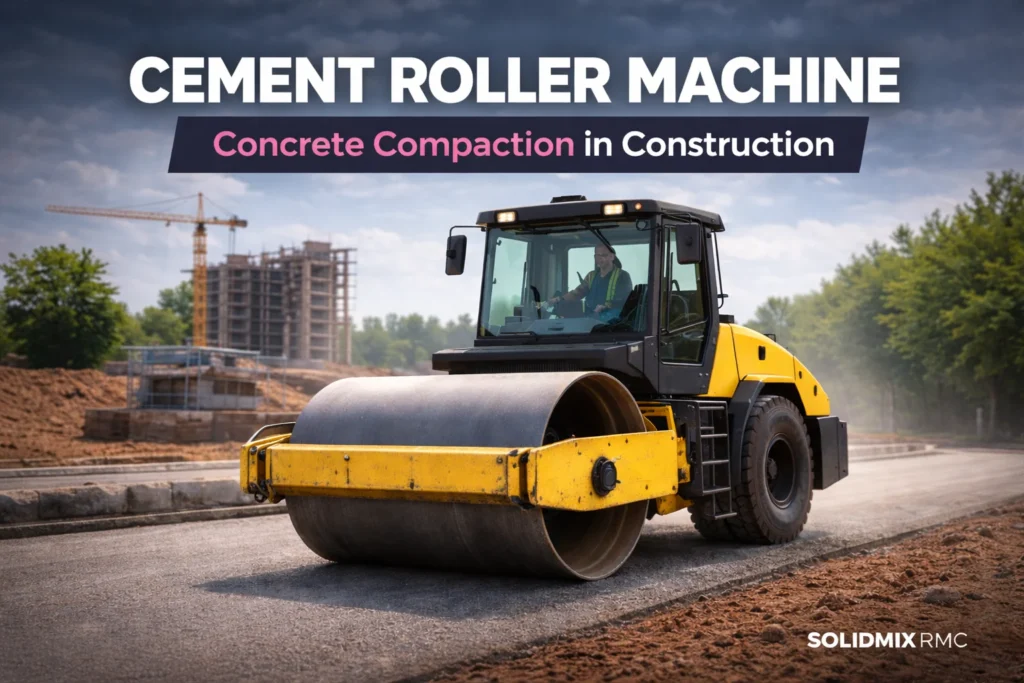
The cement roller machine plays a vital role in modern construction by ensuring proper compaction, strength, and durability of concrete surfaces. From road construction to large infrastructure projects, this powerful equipment helps create smooth, dense, and long-lasting surfaces. With increasing demand for high-quality construction and faster project completion, cement roller machines have become an essential part of the construction industry.
In this blog, we will explore everything you need to know about cement roller machines, including their types, working process, benefits, applications, and how they contribute to efficient construction practices.
What is a Cement Roller Machine?
A cement roller machine is a heavy-duty construction equipment used to compact concrete, soil, or asphalt surfaces. It applies pressure through rollers to remove air gaps and increase the density of the material, resulting in a stronger and more stable surface.
This machine is commonly used in road construction, pavement works, industrial flooring, and large-scale infrastructure projects. It ensures that the surface is even, compact, and ready for long-term use.
Types of Cement Roller Machines
There are different types of cement roller machines designed for specific construction needs:
1. Smooth Wheel Roller
This type is used for finishing surfaces and provides a smooth and even texture. It is ideal for concrete roads and pavements.
2. Vibratory Roller
A vibratory roller uses vibration along with weight to achieve better compaction. It is widely used in large construction projects where deep compaction is required.
3. Pneumatic Roller
This roller uses rubber tires instead of steel drums, providing uniform pressure distribution and better surface bonding.
4. Tandem Roller
Tandem rollers have two steel drums (front and back) and are commonly used for asphalt and concrete finishing.
Key Components of a Cement Roller Machine
Understanding the components helps in better operation and maintenance:
Engine
The engine powers the entire machine and ensures smooth operation on construction sites.
Roller Drums
These are the main components that apply pressure and perform compaction.
Hydraulic System
It controls movement, vibration, and steering of the machine.
Operator Cabin
Provides comfort and control to the operator for efficient functioning.
How Does a Cement Roller Machine Work?
The working of a cement roller machine is based on applying pressure and vibration to the surface. The roller moves over freshly laid concrete or soil, compressing it and removing air pockets.
The combination of weight and vibration ensures proper bonding of particles, resulting in a strong and durable surface. Advanced machines come with automated controls for better precision and efficiency.
Benefits of Using a Cement Roller Machine
Using a cement roller machine offers multiple advantages:
Improved Surface Strength
Proper compaction increases the strength and durability of concrete surfaces.
Faster Construction
It reduces manual labor and speeds up project completion.
Cost Efficiency
Minimizes material wastage and reduces long-term maintenance costs.
Uniform Compaction
Ensures even distribution of pressure across the surface.
Better Load-Bearing Capacity
Enhances the ability of roads and structures to handle heavy loads.
Applications of Cement Roller Machines
Cement roller machines are widely used in various construction projects:
Road Construction
Used to compact base layers and asphalt for smooth and durable roads.
Industrial Flooring
Ensures strong and even flooring in factories and warehouses.
Infrastructure Projects
Plays a key role in bridges, highways, and airport construction.
Residential and Commercial Projects
Used for driveways, parking areas, and building foundations.
Role of Cement Roller in Modern Construction
The cement roller has transformed the way construction projects are executed. It ensures precision, speed, and quality, making it an indispensable tool in today’s construction industry.
With advanced technology, modern rollers come with features like automatic vibration control, GPS tracking, and fuel efficiency, improving overall performance and productivity.
Understanding Roller Press Technology
The roller press is another important equipment used in the cement industry, especially for grinding purposes. It works by applying high pressure between two rollers to crush materials into fine particles.
This technology is widely used in cement manufacturing plants to improve efficiency and reduce energy consumption.
Roller Press Cement Mill: An Overview
A roller press cement mill is used in cement production to grind clinker into fine powder. It enhances grinding efficiency and reduces power consumption compared to traditional methods.
This system is often combined with ball mills to achieve better performance and output quality in cement manufacturing.
Features of a Roller Press Machine
The roller press machine offers several features that make it highly efficient:
High Pressure Grinding
Ensures efficient material crushing and fine output.
Energy Efficiency
Consumes less power compared to conventional grinding systems.
Low Maintenance
Designed for durability and reduced wear and tear.
Improved Output Quality
Produces consistent and high-quality cement.
Maintenance Tips for Cement Roller Machines
Proper maintenance ensures long-lasting performance:
Regular Inspection
Check for wear and tear in rollers and components.
Lubrication
Keep all moving parts properly lubricated.
Cleaning
Remove dust and debris after use.
Timely Repairs
Fix minor issues before they become major problems.
Government Standards and Safety Guidelines
Following safety and quality standards is crucial in construction. You can refer to official guidelines from the government for construction safety and equipment standards here:
https://www.cpcb.nic.in/
These guidelines help ensure safe operation, environmental protection, and compliance with construction norms.
Future of Cement Roller Machines
The future of cement roller machines looks promising with advancements in technology. Automation, AI-based monitoring, and eco-friendly designs are shaping the next generation of construction equipment.
These innovations will further improve efficiency, reduce environmental impact, and enhance construction quality.
Conclusion
The cement roller machine is an essential piece of equipment in modern construction, ensuring strong, durable, and high-quality surfaces. Whether used in road construction, infrastructure projects, or industrial applications, it plays a crucial role in achieving efficient and reliable results.
With the integration of advanced technologies like roller press, roller press cement mill, and roller press machine, the construction and cement industries are becoming more efficient and sustainable. Investing in the right equipment not only improves productivity but also ensures long-term success in construction projects.
FAQs
1. What is a cement roller machine used for?
It is used to compact concrete, soil, and asphalt surfaces to increase strength and durability.
2. What is the difference between a roller and a roller press?
A roller is used for surface compaction, while a roller press is used for grinding materials in cement production.
3. Where are cement roller machines commonly used?
They are used in road construction, industrial flooring, and infrastructure projects.
4. Is a cement roller machine cost-effective?
Yes, it reduces labor costs, improves efficiency, and minimizes maintenance expenses.
5. How do I maintain a cement roller machine?
Regular inspection, proper lubrication, cleaning, and timely repairs help maintain its performance.