Self Compacting Concrete
Self Compacting Concrete
Definition
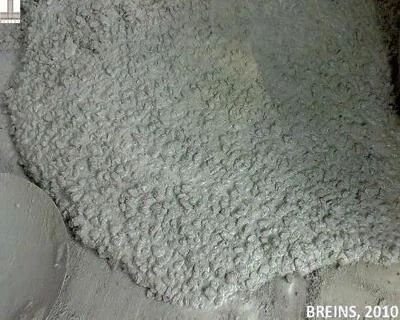
Self Compacting Concrete (SCC) is a highly flowable concrete mix that spreads easily into formwork and around reinforcement without the need for vibration. It is designed to settle under its own weight while maintaining a uniform mix, reducing air voids and ensuring a smooth finish.
This type of concrete is ideal for structures with congested steel reinforcement or complex mould shapes where normal concrete placement becomes difficult. It improves productivity on-site and delivers consistent results with less labour.
Applications
- High-rise building columns and walls
- Heavily reinforced beams and slabs
- Precast concrete products
- Bridges and infrastructure works
- Decorative concrete finishes
- Complex architectural designs
Precautions
- Mix proportions must be controlled carefully.
- Formwork should be leak-proof because SCC is highly fluid.
- Avoid delays during placement to maintain workability.
- Skilled supervision is recommended for best results.
Additional Benefits
- No vibration required
- Faster pouring and reduced labour cost
- Better surface finish with fewer voids
- Reduced noise pollution on-site

Frequently asked question
Our FAQ section answers the most common questions about our ready mix concrete services, delivery process, pricing, order quantities, quality standards, and project support. Whether you need concrete for residential, commercial, or large construction work, you’ll find clear and useful information here. We aim to make the ordering process simple, reliable, and transparent so you can plan your project with confidence and receive high-quality concrete on time.
1. What is Self Compacting Concrete (SCC)?
Self Compacting Concrete (SCC) is a highly flowable type of concrete that spreads and settles into place without the need for vibration. It fills formwork completely, even in congested reinforcement areas, while maintaining strength and durability.
2. What are the advantages of Self Compacting Concrete?
Self Compacting Concrete offers several benefits such as improved surface finish, reduced labor cost, faster construction, and better durability. It also minimizes noise and ensures uniform compaction without mechanical vibration.
3. Where is Self Compacting Concrete used?
SCC is commonly used in structures with dense reinforcement, complex formwork, precast elements, bridges, tunnels, and high-rise buildings where traditional vibration is difficult or not possible.
4. What is the difference between normal concrete and Self Compacting Concrete?
The main difference is that normal concrete requires vibration to compact, while SCC flows and compacts under its own weight. CCS also provides better filling ability, reduced voids, and a smoother finish compared to conventional concrete.
5. Is Self Compacting Concrete stronger than normal concrete?
Yes, Self Compacting Concrete can achieve equal or higher strength compared to normal concrete. Due to its superior compaction and reduced air voids, SCC often results in enhanced durability and long-term performance.