
1. Introduction:
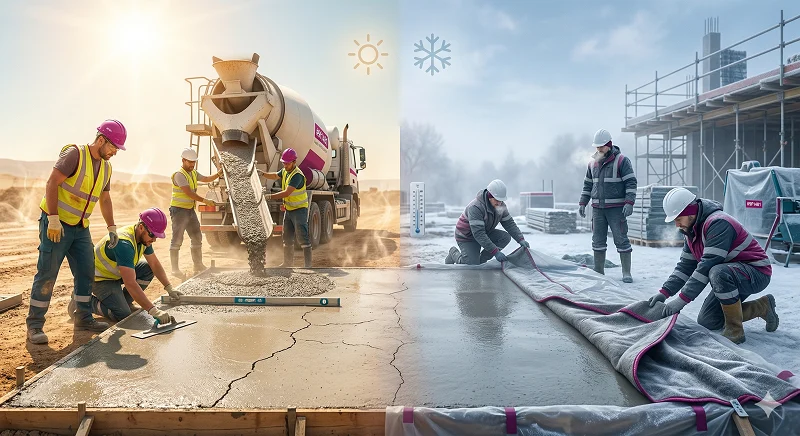
Have you ever noticed cracks or weak concrete structures after construction? Weather could be the hidden reason. Ready mix Concrete is highly sensitive to environmental conditions, especially temperature and moisture.
Whether you’re a beginner or planning a project, understanding how summer and winter affect concrete can help you avoid costly mistakes and ensure long-lasting strength.
2. Why Weather Matters in Ready Mix Concrete
Weather directly impacts how concrete sets, cures, and gains strength.
Key Factors:
- Temperature (hot or cold)
- Humidity levels
- Wind speed
- Water evaporation rate
Why It Matters:
- Affects strength and durability
- Influences setting time
- Impacts surface finish
Choosing a trusted rmc plant in raipur ensures proper mix adjustments based on climate.
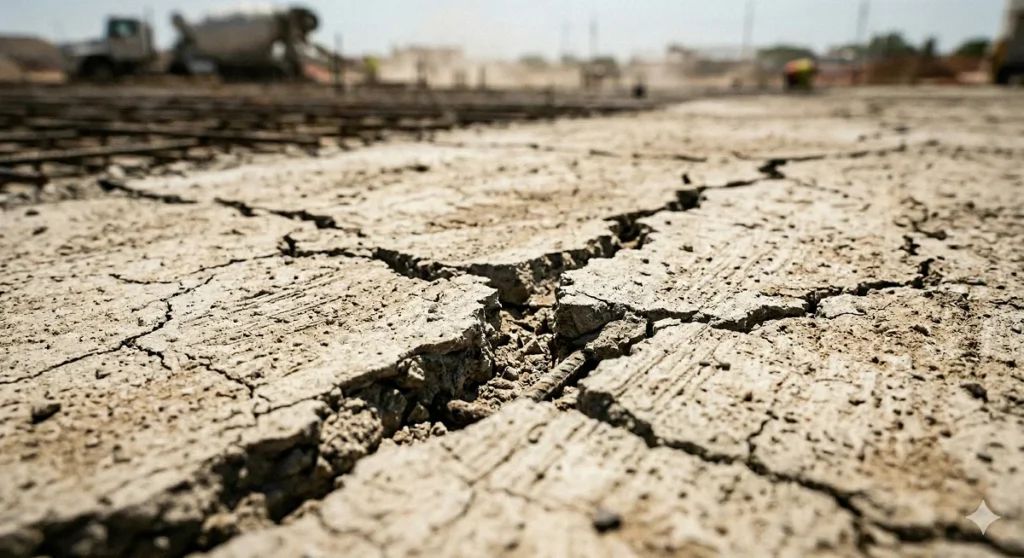
3. Ready Mix Concrete in Summer Conditions
4. Ready Mix Concrete in Winter Conditions
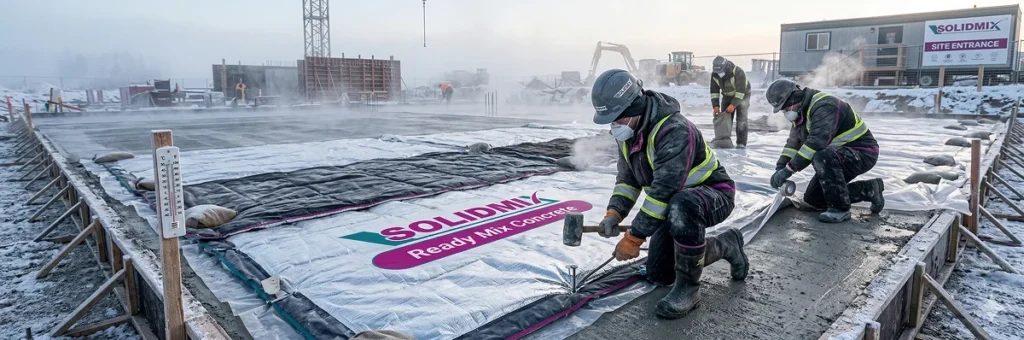
Cold weather slows down the hydration process, delaying strength gain.
Common Problems:
- Slow setting time
- Risk of freezing
- Weak bonding
Practical Example:
Concrete poured in near-freezing temperatures may not set properly, causing long-term damage.
Actionable Tips:
- Use warm water in the mix
- Add accelerators
- Cover with thermal blankets
- Avoid pouring during extreme cold
5. Summer vs Winter – Key Differences
| Factor | Summer | Winter |
|---|---|---|
| Setting Time | Fast | Slow |
| Risk | Cracks, shrinkage | Freezing, weak bonding |
| Water Loss | High | Low |
| Curing Requirement | Intensive | Temperature protection |
6. How to Choose the Right RMC Supplier
Selecting the right supplier is crucial for weather-resistant concrete.
What to Look For:
- Experience in local climate conditions
- Quality control systems
- Customized mix designs
- Reliable delivery timing
Pro Tip:
Always work with a trusted rmc plant in raipur to ensure proper handling of seasonal challenges.
7. Conclusion:
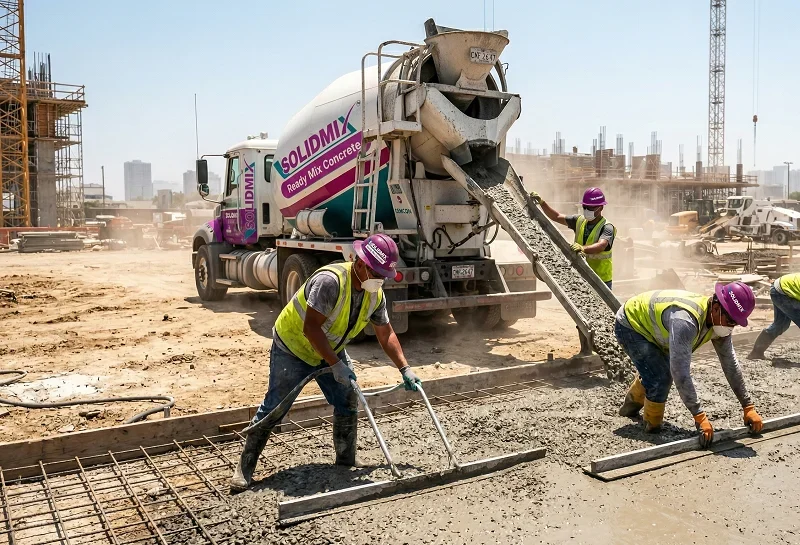
Weather plays a critical role in the performance of Ready mix Concrete. Summer heat can cause rapid drying, while winter cold can delay curing and weaken the structure.
By understanding these differences and following expert tips, you can ensure durable and high-quality construction.
Need reliable concrete solutions? Visit Solidmixrmc.com/projects and partner with experts who understand your local weather conditions.
8. FAQs:
Q1: Does hot weather weaken Ready mix Concrete?
A: Yes, hot weather can cause rapid evaporation of water, leading to cracks and reduced strength. Proper curing and timing are essential to maintain concrete quality during summer.
Q2: Can concrete be poured in winter?
A: Yes, but precautions are needed. Using warm water, additives, and protective coverings helps prevent freezing and ensures proper curing.
Q3: Which season is best for concrete work?
A: Moderate temperatures (spring or early winter) are ideal. However, with proper techniques, concrete can be successfully used in both summer and winter.