
Steel Fiber Concrete
Steel Fiber Concrete – Advanced Reinforced Concrete for Heavy-Duty Applications
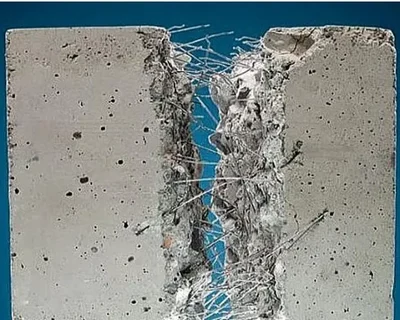
Steel Fiber Concrete is a modern high-performance concrete specially designed by adding small steel fibers uniformly throughout the concrete mix. These steel fibers act as internal reinforcement, improving the concrete’s toughness, crack resistance, impact strength, and overall structural durability.
Unlike old traditional concrete that mainly depended on conventional steel reinforcement bars and was more vulnerable to cracking under heavy loads and stress conditions, modern Steel Fiber Concrete provides multidirectional reinforcement throughout the concrete structure. This advanced reinforcement technology helps distribute stress more evenly and significantly improves resistance against cracking, shrinkage, abrasion, and repeated movement.
Earlier conventional concrete often developed surface cracks, joint failures, and structural weakness in heavy-duty applications due to dynamic loads, vibration, and impact stress. Modern Steel Fiber Concrete overcomes these limitations by enhancing the internal bonding and toughness of the concrete matrix, making it stronger and more durable under demanding operating conditions.
The steel fibers help improve load-bearing capacity and reduce the spread of cracks by controlling stress concentration inside the concrete. Compared to old plain concrete systems, Steel Fiber Concrete provides better resistance to impact, fatigue, and structural wear.
Modern Steel Fiber Concrete is widely used in:
- Industrial flooring
- Warehouses and factories
- Heavy-duty pavements
- Airport runways
- Roads and highways
- Tunnel linings
- Bridges and infrastructure projects
- Parking areas
- Shotcrete and precast structures
One of the major advantages of modern Steel Fiber Concrete is its ability to improve performance in high-load and high-traffic environments. It reduces the dependence on traditional reinforcement in certain applications and provides enhanced resistance against heavy machinery movement, repeated loading, and surface abrasion.
In addition to crack resistance and durability, Steel Fiber Concrete also improves impact strength, fatigue resistance, and long-term structural stability. It is particularly suitable for industrial and infrastructure projects where ordinary concrete may fail under continuous stress and operational loads.
Key Features of Modern Steel Fiber Concrete
- High impact and load resistance
- Improved crack control and toughness
- Better abrasion and fatigue resistance
- Enhanced structural durability
- Multidirectional internal reinforcement
- Reduced shrinkage cracking
- Suitable for heavy-duty applications
- Long-lasting concrete performance
Today, Steel Fiber Concrete is considered one of the most advanced reinforced concrete solutions for industrial and infrastructure construction. Compared to old traditional concrete, modern Steel Fiber Concrete delivers significantly better strength, durability, crack resistance, and long-term structural reliability in demanding environments.
Applications of Modern Steel Fiber Concrete
Steel Fiber Concrete is widely used in modern industrial, commercial, and infrastructure projects where high strength, impact resistance, and long-term durability are essential. Unlike old traditional concrete that was more vulnerable to cracking, abrasion, and structural stress under heavy loads, modern Steel Fiber Concrete provides enhanced multidirectional reinforcement through distributed steel fibers, making it ideal for demanding construction environments.
Industrial Floors and Warehouses
Modern Steel Fiber Concrete is extensively used in industrial flooring, factories, and warehouses because it can withstand heavy machinery movement, continuous traffic, and high operational loads while reducing surface cracking and wear.
Pavements and Roads
Roads, pavements, and heavy-duty traffic areas use Steel Fiber Concrete for improved load-bearing capacity, crack resistance, and durability under repeated vehicle movement and environmental stress.
Tunnels and Underground Structures
Steel Fiber Concrete is commonly used in tunnels, underground chambers, and mining structures where additional toughness and structural stability are required to resist ground pressure, vibration, and dynamic loading conditions.
Precast Concrete Units
Modern precast concrete products such as panels, pipes, tunnel segments, barriers, and structural components use steel fiber reinforcement to improve strength, handling durability, and crack resistance during transportation and installation.
Loading Yards and Parking Areas
Loading docks, container yards, truck terminals, and parking areas benefit from Steel Fiber Concrete because of its excellent resistance to heavy wheel loads, impact stress, and surface abrasion.
Heavy-Duty Commercial Projects
Commercial and infrastructure projects exposed to high traffic and operational stress use Steel Fiber Concrete to improve long-term performance, reduce maintenance, and enhance structural reliability.
Airport and Transportation Infrastructure
Modern transportation infrastructure such as airport runways, taxiways, and logistics zones use Steel Fiber Concrete for better fatigue resistance and heavy-load performance.
Shotcrete and Slope Stabilization
Steel Fiber Concrete is also used in shotcrete applications for tunnel linings, retaining structures, and slope stabilization projects where additional reinforcement and crack control are important.
Compared to old traditional concrete applications, modern Steel Fiber Concrete provides significantly better strength, durability, abrasion resistance, and crack control, making it one of the most reliable solutions for heavy-duty industrial and infrastructure construction projects.
Precautions for Modern Steel Fiber Concrete
Proper material selection, mixing procedures, placement techniques, and curing practices are essential to achieve the best performance from Steel Fiber Concrete. Unlike old traditional concrete that mainly relied on standard reinforcement systems, modern Steel Fiber Concrete contains distributed steel fibers that require controlled handling and skilled workmanship for optimum structural performance and surface quality.
Use Correct Fiber Dosage
The quantity and type of steel fibers should be selected according to the project’s structural requirements, load conditions, and performance expectations. Incorrect fiber dosage may affect workability, strength, crack resistance, and finishing quality.
Ensure Proper Mixing and Distribution
Uniform distribution of steel fibers throughout the concrete mix is extremely important. Proper batching and mixing procedures should be followed to avoid fiber clumping or uneven reinforcement within the concrete structure.
Skilled Surface Finishing
Modern Steel Fiber Concrete may require experienced finishing techniques to achieve a smooth and uniform surface appearance. Improper finishing can expose fibers on the surface or affect the final texture and quality of the concrete.
Follow Proper Curing Methods
Correct curing practices are necessary to develop full concrete strength, durability, and crack resistance. Inadequate curing may reduce the effectiveness of the fiber reinforcement and increase the risk of surface cracking or shrinkage.
Maintain Proper Water-Cement Ratio
The water content in the mix should be carefully controlled to maintain workability without compromising strength and durability. Excess water may weaken the concrete and affect fiber performance.
Use Quality Materials
High-quality steel fibers, cement, aggregates, and admixtures should be used to ensure reliable structural performance and long-term durability in demanding applications.
Proper Handling During Placement
Care should be taken during concrete placement and compaction to ensure proper bonding and fiber alignment throughout the structure. Excessive vibration or poor handling may affect the concrete’s uniformity and reinforcement performance.
Compared to old conventional concrete practices, modern Steel Fiber Concrete applications require more controlled mixing, placement, and finishing methods because of the distributed steel reinforcement system. With proper precautions and professional installation, Steel Fiber Concrete provides superior strength, crack resistance, durability, and long-term performance for industrial and infrastructure projects.
Additional Benefits of Modern Steel Fiber Concrete
Modern Steel Fiber Concrete offers several advanced advantages compared to old traditional concrete used in heavy-duty and high-load construction projects. By incorporating steel fibers throughout the concrete mix, it provides enhanced structural strength, durability, crack control, and long-term performance in demanding industrial and infrastructure environments.
Excellent Crack Resistance
One of the biggest advantages of modern Steel Fiber Concrete is its superior crack control capability. Unlike old conventional concrete that often developed cracks under shrinkage, stress, or repeated loading, steel fibers help distribute stress evenly and reduce crack formation throughout the concrete structure.
Higher Impact and Load-Bearing Strength
Steel Fiber Concrete provides significantly improved toughness and impact resistance compared to traditional concrete mixes. It performs effectively under heavy machinery movement, dynamic loading, vibration, and high traffic conditions, making it ideal for industrial flooring, pavements, and infrastructure projects.
Better Abrasion and Fatigue Resistance
Modern Steel Fiber Concrete offers excellent resistance against surface wear, abrasion, and fatigue caused by continuous operational stress. Compared to old plain concrete surfaces that deteriorated more quickly under heavy usage, steel fiber reinforcement improves long-term surface durability and performance.
Longer Service Life with Lower Maintenance
By improving durability and reducing cracking and structural damage, Steel Fiber Concrete helps extend the service life of structures while lowering repair and maintenance costs over time.
Improved Structural Stability
The distributed steel fibers provide multidirectional reinforcement inside the concrete matrix, improving internal bonding, structural integrity, and resistance against sudden stress or movement.
Reduced Joint Deterioration
Modern Steel Fiber Concrete helps reduce joint-related damage and minimizes the risk of edge failures in industrial floors and heavy-duty pavements.
Better Performance in Heavy-Duty Environments
Steel Fiber Concrete is highly suitable for demanding applications such as warehouses, loading yards, tunnels, airport pavements, bridges, and industrial plants where ordinary concrete may fail under continuous heavy loads and operational stress.
Compared to old traditional concrete, modern Steel Fiber Concrete delivers significantly better toughness, crack resistance, durability, abrasion resistance, and structural reliability, making it one of the most advanced concrete solutions for modern industrial and infrastructure construction projects.

Frequently asked question
Our FAQ section answers the most common questions about our ready mix concrete services, delivery process, pricing, order quantities, quality standards, and project support. Whether you need concrete for residential, commercial, or large construction work, you’ll find clear and useful information here. We aim to make the ordering process simple, reliable, and transparent so you can plan your project with confidence and receive high-quality concrete on time.
1. What is steel fiber concrete?
Steel fiber concrete is a type of concrete reinforced with small steel fibers distributed evenly throughout the mix. These fibers improve the strength, durability, and crack resistance of concrete, making it ideal for heavy-duty construction like industrial floors, pavements, and tunnels.
2. What are the benefits of using steel fiber concrete?
Steel fiber concrete offers several benefits, including higher tensile strength, improved crack control, better impact resistance, and enhanced durability. It also reduces the need for traditional reinforcement like mesh or rebar in some applications, saving time and cost.
3. Where is steel fiber concrete used?
Steel fiber concrete is commonly used in industrial flooring, road pavements, airport runways, precast elements, tunnels, and shotcrete applications. It is especially suitable for areas that experience heavy loads, high traffic, or harsh environmental conditions.
4. Is steel fiber concrete better than traditional reinforced concrete?
Steel fiber concrete can be better than traditional reinforced concrete in many cases because it provides uniform reinforcement throughout the structure. It improves crack resistance and durability, but the choice depends on the project requirements, load conditions, and design specifications.
5. How much steel fiber is added to concrete?
The amount of steel fiber added to concrete typically ranges from 0.5% to 2% of the total volume, depending on the application and required strength. The exact dosage is determined by engineers based on structural needs and performance expectations.