PP Fiber Concrete
PP Fiber Concrete – Advanced Reinforced Concrete for Crack Resistance and Durability
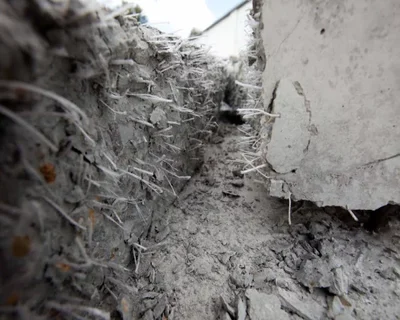
PP Fiber Concrete is a modern reinforced concrete solution manufactured by adding polypropylene (PP) fibers uniformly throughout the concrete mix. These high-performance synthetic fibers act as micro-reinforcement within the concrete structure, improving durability, reducing shrinkage cracks, and enhancing overall surface performance.
Unlike old traditional concrete that relied mainly on steel reinforcement and was more vulnerable to surface cracking during curing and drying, modern PP Fiber Concrete provides additional internal support through millions of distributed polypropylene fibers. This advanced fiber technology helps control micro-cracks at an early stage, resulting in a stronger, more stable, and long-lasting concrete structure.
Earlier conventional concrete often experienced shrinkage cracks, surface wear, and reduced durability due to temperature changes, moisture loss, and minor impact stress. Modern PP Fiber Concrete is specially engineered to minimize these issues by improving the bonding and internal stability of the concrete matrix.
The polypropylene fibers help distribute stress more evenly throughout the concrete, reducing the risk of crack formation and improving resistance against abrasion, minor impacts, and surface damage. Compared to old plain concrete mixes, PP Fiber Concrete offers significantly better crack control and long-term performance.
Modern PP Fiber Concrete is widely used in:
- Industrial flooring
- Pavements and roads
- Warehouses and factories
- Residential slabs
- Parking areas
- Shotcrete applications
- Water retaining structures
- Footpaths and walkways
- Precast concrete products
One of the major advantages of modern PP Fiber Concrete is its ability to improve durability without significant changes to standard construction methods. The fibers are lightweight, corrosion-resistant, and evenly distributed throughout the mix, providing effective reinforcement in multiple directions.
In addition to crack resistance, PP Fiber Concrete also improves resistance to plastic shrinkage, surface wear, and minor impact damage. It helps create smoother, stronger, and more reliable concrete surfaces with reduced maintenance requirements over time.
Key Features of Modern PP Fiber Concrete
- Reduces shrinkage and surface cracking
- Improves durability and structural stability
- Enhances resistance to abrasion and minor impacts
- Provides internal micro-reinforcement
- Improves surface performance and finish quality
- Corrosion-resistant reinforcement system
- Increases long-term service life
- Suitable for residential, commercial, and industrial projects
Today, PP Fiber Concrete is considered an advanced concrete technology for modern construction projects where crack control, durability, and long-term performance are important. Compared to old traditional concrete, modern PP Fiber Concrete offers better structural reliability, reduced maintenance, and improved overall concrete quality.
Applications of Modern PP Fiber Concrete
PP Fiber Concrete is widely used in modern construction projects where improved crack resistance, durability, and surface performance are required. Unlike old traditional concrete that was more prone to shrinkage cracks and surface damage, modern PP Fiber Concrete provides enhanced internal reinforcement through polypropylene fibers, making it suitable for a wide range of residential, commercial, industrial, and infrastructure applications.
Floor Slabs and Pavements
Modern PP Fiber Concrete is extensively used in floor slabs and pavement construction because it helps reduce shrinkage cracking and improves surface durability under regular traffic and load conditions.
Industrial Surfaces
Factories, warehouses, workshops, and industrial flooring applications use PP Fiber Concrete for better resistance against abrasion, surface wear, and minor impacts. It provides a stronger and more stable concrete surface compared to old conventional concrete.
Driveways and Pathways
Driveways, footpaths, and pedestrian walkways benefit from PP Fiber Concrete because the fibers improve crack control and help maintain long-term surface quality under varying weather conditions and repeated use.
Overlays and Repair Works
PP Fiber Concrete is commonly used in overlays, resurfacing, and repair applications where additional crack resistance and bonding strength are important for extending the life of damaged concrete structures.
Precast Concrete Products
Modern precast concrete products such as blocks, panels, pipes, kerbs, and utility structures use polypropylene fibers to improve handling strength, reduce cracking during transportation, and enhance product durability.
Residential and Commercial Projects
PP Fiber Concrete is widely applied in residential houses, commercial buildings, parking areas, landscape flooring, and utility structures where improved durability and low-maintenance concrete performance are required.
Water Retaining and Infrastructure Structures
Modern PP Fiber Concrete is also suitable for water tanks, drainage systems, small retaining structures, and infrastructure projects where additional crack control improves structural reliability and service life.
Compared to old traditional concrete applications, modern PP Fiber Concrete offers significantly better crack resistance, surface stability, and durability, making it a preferred choice for modern construction and repair projects requiring stronger and longer-lasting concrete performance.
Precautions for Modern PP Fiber Concrete
Proper mixing, dosage control, and curing practices are essential to achieve the full performance benefits of PP Fiber Concrete. While old traditional concrete mainly depended on standard reinforcement systems, modern PP Fiber Concrete uses polypropylene fibers distributed throughout the mix, which requires controlled application methods for effective crack resistance and durability.
Use Recommended Fiber Dosage
The correct quantity of polypropylene fibers should always be used according to project requirements and design specifications. Excessive or insufficient fiber dosage may affect workability, surface finish, and reinforcement performance.
Ensure Proper Mixing and Fiber Distribution
Uniform distribution of fibers throughout the concrete mix is extremely important. Proper mixing procedures should be followed to avoid fiber clumping and to ensure consistent reinforcement across the entire concrete structure.
Maintain Correct Water-Cement Ratio
The water content in PP Fiber Concrete should be carefully controlled. Excess water may reduce strength and durability, while insufficient water can affect workability and proper fiber integration within the mix.
Follow Proper Curing Methods
Correct curing practices are necessary to achieve maximum strength, crack resistance, and durability. Inadequate curing can reduce the effectiveness of the fiber reinforcement and increase the risk of shrinkage cracks.
Use Skilled Workmanship
Modern PP Fiber Concrete should be handled by experienced professionals to ensure proper batching, mixing, placement, compaction, and finishing for high-quality results.
Avoid Overworking the Surface
Excessive surface finishing or over-trowelling may disturb fiber distribution near the surface and affect the final finish quality of the concrete.
Quality Material Selection
High-quality polypropylene fibers, cement, aggregates, and admixtures should be used to achieve reliable performance, durability, and long-term crack resistance.
Compared to old conventional concrete practices, modern PP Fiber Concrete requires more controlled mixing and quality management because of its fiber reinforcement technology. With proper precautions and installation methods, PP Fiber Concrete provides improved crack control, enhanced durability, and long-lasting structural performance for modern residential, commercial, and industrial projects.
Additional Benefits of Modern PP Fiber Concrete
Modern PP Fiber Concrete offers several advanced advantages compared to old traditional concrete mixes. By incorporating polypropylene fibers throughout the concrete structure, it provides improved crack resistance, enhanced durability, and better long-term performance for residential, commercial, and industrial construction projects.
Reduces Plastic Shrinkage Cracks
One of the biggest advantages of modern PP Fiber Concrete is its ability to control plastic shrinkage cracks during the early curing stage. Unlike old conventional concrete that often developed minor surface cracks due to moisture loss and drying, polypropylene fibers help hold the concrete matrix together and reduce crack formation.
Improves Impact Resistance
The distributed fiber reinforcement improves the concrete’s ability to resist minor impacts, vibration, and surface stress. Compared to old plain concrete surfaces, PP Fiber Concrete provides better toughness and stability under regular usage conditions.
Better Durability and Surface Strength
Modern PP Fiber Concrete enhances overall durability by improving internal bonding and reducing surface wear. It provides stronger and more reliable concrete surfaces capable of handling traffic, abrasion, and environmental exposure more effectively than traditional concrete mixes.
Lowers Long-Term Maintenance Costs
By reducing cracking, surface damage, and deterioration, PP Fiber Concrete minimizes the need for frequent repair work and maintenance expenses. This makes it a cost-effective long-term solution for floors, pavements, industrial surfaces, and infrastructure projects.
Improved Structural Stability
Polypropylene fibers distribute stress more evenly throughout the concrete, helping improve stability and reduce the risk of localized cracking or weak zones within the structure.
Corrosion-Free Reinforcement
Unlike steel-based reinforcement systems that may corrode over time, polypropylene fibers are non-corrosive and chemically resistant, improving the long-term durability of the concrete.
Better Surface Performance
Modern PP Fiber Concrete helps create smoother, more stable, and better-performing concrete finishes suitable for industrial flooring, driveways, pathways, overlays, and precast products.
Compared to old traditional concrete, modern PP Fiber Concrete provides significantly better crack control, durability, impact resistance, and maintenance performance, making it an advanced and reliable solution for modern construction applications.

Frequently asked question
Our FAQ section answers the most common questions about our ready mix concrete services, delivery process, pricing, order quantities, quality standards, and project support. Whether you need concrete for residential, commercial, or large construction work, you’ll find clear and useful information here. We aim to make the ordering process simple, reliable, and transparent so you can plan your project with confidence and receive high-quality concrete on time.
1. What is PP fiber concrete?
PP fiber concrete is concrete mixed with polypropylene (PP) fibers. These fibers help reduce cracks, improve strength, and increase durability, making the concrete more resistant to shrinkage and damage.
2. What are the benefits of using polypropylene fibers in concrete?
Polypropylene fibers improve crack resistance, reduce water permeability, enhance durability, and increase impact strength. They also help control plastic shrinkage cracks during the early curing stage.
3. Where is PP fiber concrete commonly used?
PP fiber concrete is widely used in industrial floors, pavements, driveways, precast structures, and slabs. It is ideal for areas that require high durability and crack control.
4. Does PP fiber concrete increase strength?
Yes, PP fiber concrete improves tensile strength and reduces the chances of cracks. While it does not replace steel reinforcement, it enhances the overall performance and lifespan of concrete structures.
5. Is PP fiber concrete better than normal concrete?
PP fiber concrete is better than normal concrete in terms of crack resistance, durability, and long-term performance. It is especially useful in projects where minimizing maintenance and improving surface quality is important.