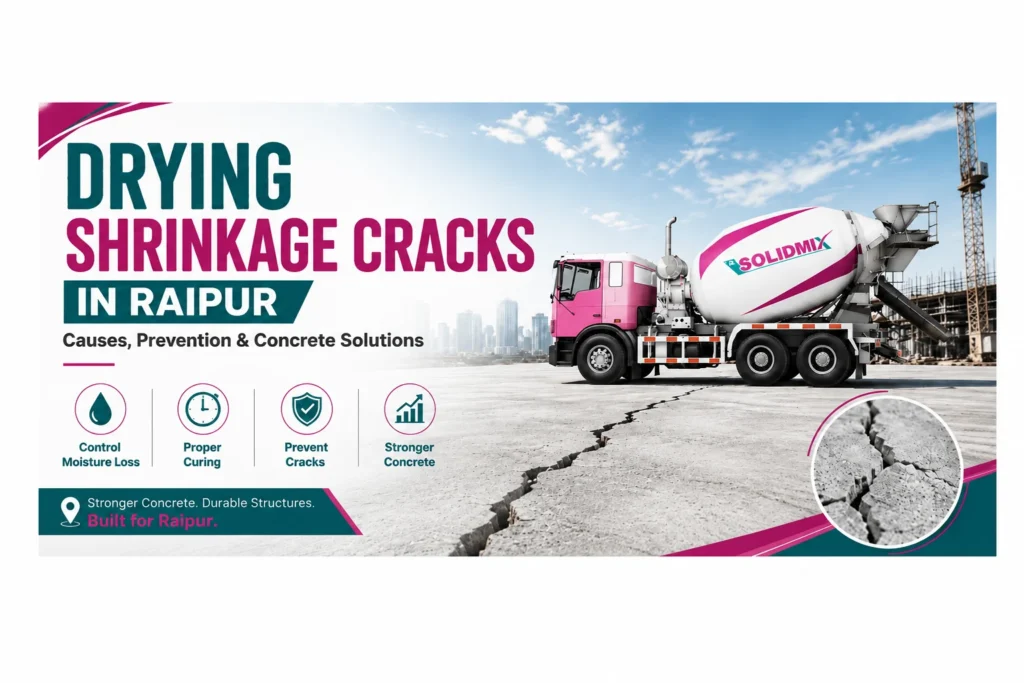
Concrete structures are known for their strength and long-term durability, but cracking is one of the most common concerns faced during and after construction. Among different types of cracks, drying shrinkage in cracks are frequently noticed in residential, commercial, and industrial projects across Raipur. These cracks may appear minor in the beginning, but if ignored, they can affect the appearance and performance of concrete surfaces over time.
Understanding why these cracks happen and how to prevent them helps builders, contractors, and property owners maintain stronger concrete structures.
What Are Drying Shrinkage Cracks?
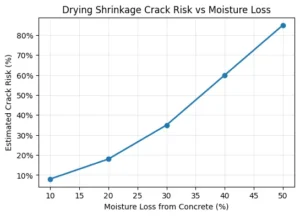
Drying shrinkage cracks happen when concrete loses moisture after placement and starts shrinking as it dries. Since concrete naturally contains water, evaporation begins once the mix starts curing. When moisture leaves faster than the concrete can adjust, tensile stress develops and visible cracks may appear on the surface.
This issue is commonly seen in floors, pavements, slabs, walls, and driveways—especially in warmer climates like Raipur, where evaporation can happen quickly.
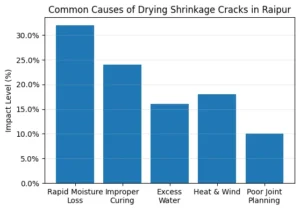
Why Drying Shrinkage Cracks Occur in Raipur
Raipur experiences high temperatures for much of the year. Heat and dry air can speed up evaporation from fresh concrete surfaces. This makes drying shrinkage cracks in concrete more common if proper curing and mix design are not followed.
Some major causes include:
1. Rapid Moisture Loss
When water evaporates too fast, concrete shrinks unevenly and cracks may form.
2. Improper Curing
Concrete needs adequate curing time. Without proper curing methods, moisture escapes early and weakens the surface.
3. Excess Water in the Mix
Too much water improves workability but increases shrinkage after drying.
4. Poor Joint Planning
Without control joints, natural movement creates stress and may result in concrete shrinkage cracks.
5. High Temperature and Wind
Direct sunlight and hot weather in Raipur can increase shrinkage risk significantly.
Signs You Should Watch For
Drying shrinkage cracks often appear:
- On the surface of concrete slabs
- Near corners and edges
- In straight or random patterns
- Within days or weeks after pouring
Small cracks may not affect structural strength immediately, but repeated moisture entry can worsen them over time.
Drying Shrinkage Cracks in Concrete Slabs
One of the most common places where cracks appear is flooring and slab work. Shrinkage cracks in concrete slabs usually develop because the slab surface dries faster than the lower layer.
This difference creates tension and surface cracking.
To reduce the risk:
- Use proper curing compounds
- Place control joints at planned intervals
- Avoid adding extra water during finishing
- Schedule pours during cooler parts of the day
These simple steps help improve durability and surface finish.
Shrinkage of Concrete and Its Long-Term Impact
The shrinkage of concrete is a natural process, but uncontrolled shrinkage can lead to visible cracks and maintenance issues.
Possible long-term effects include:
- Reduced visual appeal
- Water seepage through cracks
- Surface weakening
- Faster wear and tear
- Higher repair costs later
That’s why early planning and quality concrete supply matter in every project.
Ready Mix Concrete Supplier in Raipur
Choosing the right Ready Mix Concrete Supplier in Raipur can make a major difference in reducing crack-related issues.
A trusted supplier provides:
- Accurate concrete mix proportions
- Consistent quality control
- Better workability
- Timely delivery at site
- Concrete designed for Raipur weather conditions
Quality ready mix concrete helps improve curing performance and minimizes shrinkage-related risks. Whether you are working on residential construction, commercial foundations, industrial flooring, or road projects, reliable concrete supply supports stronger long-term results.
How to Prevent Concrete Shrinkage Cracks
Prevention starts before pouring and continues during curing.
Best practices include:
Use Correct Water-Cement Ratio
Balanced water content reduces excess shrinkage.
Ensure Proper Curing
Maintain moisture for the recommended curing period.
Add Control Joints
Joints help concrete expand and shrink safely.
Protect Fresh Concrete
Cover surfaces from direct sunlight and strong wind.
Work With Quality Materials
Using trusted ready mix concrete improves consistency and durability.
Repair Options for Existing Cracks
If cracks already appear, repair depends on width and severity.
Common methods include:
- Crack sealing
- Epoxy injection
- Surface patching
- Resurfacing
- Moisture protection treatment
Professional inspection helps identify whether the crack is cosmetic or needs structural repair.
Final Thoughts
Drying shrinkage cracks are common in concrete construction, especially in hot climates like Raipur. The good news is that with proper planning, quality materials, and correct curing methods, they can often be minimized or prevented.
Understanding drying shrinkage cracks in concrete, monitoring the shrinkage of concrete, and taking preventive action early helps improve durability and reduce maintenance costs.
For stronger and more reliable concrete construction in Raipur, choosing experienced professionals and quality-ready mix concrete always delivers better long-term results.
Read more blogs for practical concrete construction tips and industry insights.
Visit our website today to explore our concrete solutions in Raipur and connect with our team for your next project.
FAQs – Drying Shrinkage Cracks in Raipur
1. What are drying shrinkage cracks in concrete?
Drying shrinkage cracks are surface cracks that develop when concrete loses moisture after placement and shrinks during drying. They are commonly seen in slabs, floors, and walls, especially in hot weather conditions like Raipur.
2. Why do drying shrinkage cracks appear in Raipur?
Raipur’s high temperature and dry climate can speed up water evaporation from fresh concrete. When moisture leaves too quickly, drying shrinkage cracks in concrete are more likely to appear.
3. Are concrete shrinkage cracks dangerous?
Small concrete shrinkage cracks may not immediately affect structural strength, but if left untreated, they can allow water seepage and lead to bigger maintenance issues over time.
4. How can shrinkage cracks in concrete slabs be prevented?
Shrinkage cracks in concrete slabs can be reduced by using the correct water-cement ratio, proper curing methods, control joints, and high-quality ready mix concrete suitable for Raipur weather.
5. Does ready mix concrete help reduce drying shrinkage cracks?
Yes, working with a trusted Ready Mix Concrete Supplier in Raipur helps maintain consistent mix quality, better workability, and controlled moisture levels, which reduces the chances of drying shrinkage cracks.