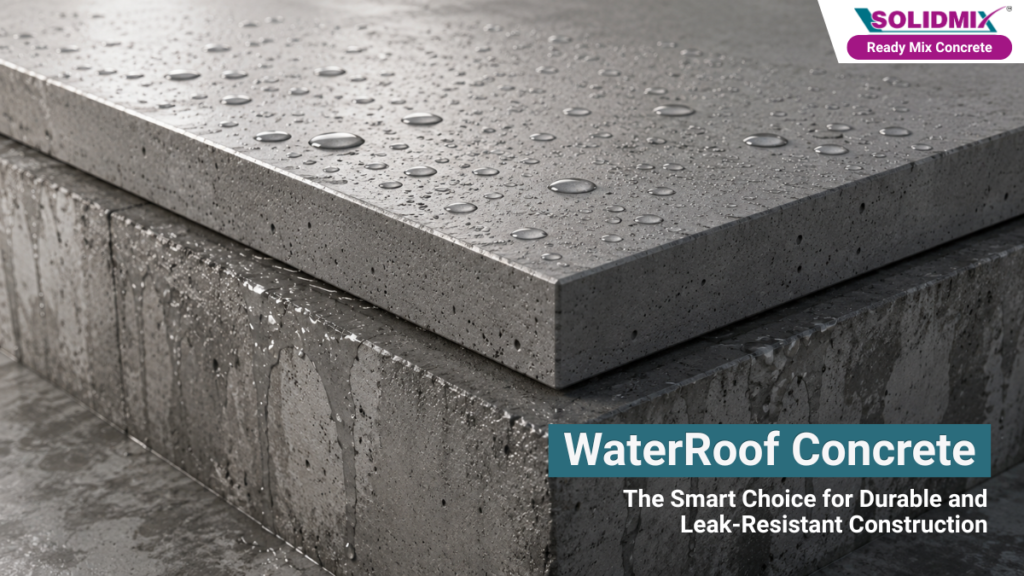
Waterproof Concrete in Raipur is becoming an increasingly preferred choice for modern construction projects that require durability, strength, and protection against moisture-related damage. Water is one of the most common factors that can affect the strength and lifespan of a building. From heavy rainfall and groundwater exposure to moisture seepage through walls and foundations, water-related issues can gradually weaken structures and increase maintenance requirements. As builders and developers focus on long-term performance, waterproof concrete offers a reliable solution for reducing seepage risks and enhancing structural durability.
Whether it is a residential home, commercial complex, industrial facility, basement, water tank, or infrastructure project, waterproof concrete provides enhanced protection against moisture penetration while maintaining the strength expected from high-quality concrete. By reducing water absorption and minimizing seepage risks, it helps improve the overall durability of structures exposed to challenging environmental conditions.
In this blog, we will explore what waterproof concrete is, how it works, its advantages, applications, and why it is becoming an essential material in modern construction projects.
What Is Waterproof Concrete?
Waterproof concrete is a specially designed concrete mix that resists water penetration and moisture absorption. Unlike conventional concrete, which contains microscopic pores that can allow water to enter over time, waterproof concrete is formulated using advanced mix designs and admixtures that reduce permeability.
The goal of waterproof concrete is to create a denser structure that prevents water from traveling through the concrete. This added protection helps reduce common issues such as seepage, dampness, cracks, corrosion of reinforcement steel, and structural deterioration.
Waterproof concrete is widely used in projects where water resistance is critical for maintaining structural integrity and reducing long-term maintenance needs.
Why Water Protection Is Important in Construction
Concrete is known for its strength and durability, but continuous exposure to water can create several challenges over time. Moisture can gradually enter concrete through tiny pores and cracks, affecting both the concrete and the steel reinforcement embedded within it.
Some common problems caused by water penetration include:
- Wall seepage
- Damp patches and staining
- Mold and mildew growth
- Corrosion of reinforcement steel
- Surface deterioration
- Structural cracks
- Reduced lifespan of the building
- Increased repair and maintenance costs
In regions that experience heavy rainfall, high humidity, or fluctuating weather conditions, protecting structures from water damage becomes even more important. Waterproof concrete helps address these concerns by providing an additional layer of defense against moisture.
The importance of using durable and quality construction materials is also reflected in the standards and guidelines published by the Bureau of Indian Standards (BIS). These guidelines help promote better construction practices, structural safety, and long-term building performance across various residential, commercial, and infrastructure projects in India.
How Waterproof Concrete Works
Waterproof concrete works by reducing the permeability of the concrete mix. This is achieved through carefully selected materials and specialized admixtures that enhance water resistance.
The process generally includes:
Low Water-Cement Ratio
A lower water-cement ratio creates a denser concrete structure with fewer pores. This reduces the pathways through which water can travel.
Waterproofing Admixtures
Special waterproofing chemicals are added during mixing to improve resistance against water penetration. These admixtures help block capillaries and microscopic voids inside the concrete.
Improved Compaction
Proper compaction eliminates air pockets and creates a more uniform concrete structure.
Quality Curing
Adequate curing allows concrete to achieve optimal strength and durability while minimizing shrinkage cracks.
Together, these factors contribute to a concrete mix that offers improved resistance to moisture and environmental exposure.
Key Benefits of Waterproof Concrete
1. Enhanced Durability
One of the biggest advantages of waterproof concrete is its ability to improve structural durability. Since water penetration is minimized, the concrete remains stronger for longer periods.
Structures built with waterproof concrete often experience less deterioration compared to those exposed to continuous moisture without adequate protection.
2. Reduced Seepage Problems
Seepage is a common concern in basements, retaining walls, roofs, and underground structures. Waterproof concrete helps reduce the chances of water entering through walls and floors, improving overall building performance.
3. Better Protection Against Steel Corrosion
Reinforcement steel is essential for the strength of reinforced concrete structures. However, when water reaches the steel, corrosion can occur.
Rusting steel expands over time, creating internal pressure that may lead to cracking and structural damage. Waterproof concrete helps limit water exposure and supports long-term reinforcement protection.
4. Lower Maintenance Requirements
Buildings affected by water damage often require frequent repairs, waterproofing treatments, repainting, and structural maintenance.
By minimizing water-related issues, waterproof concrete can help reduce maintenance needs and improve long-term operational efficiency.
5. Increased Service Life
Durable construction materials contribute to longer-lasting structures. Waterproof concrete helps maintain structural quality and performance over time, supporting extended service life for buildings and infrastructure projects.
6. Improved Indoor Environment
Water seepage and dampness can negatively impact indoor comfort. Moisture accumulation often leads to mold growth, unpleasant odors, and poor air quality.
Using waterproof concrete helps reduce these concerns and supports healthier indoor environments.
Applications of Waterproof Concrete
Waterproof concrete is used across a wide range of construction projects where moisture protection is essential.
Residential Buildings
Homeowners often face issues such as damp walls, roof leakage, basement seepage, and water damage during monsoon seasons.
Waterproof concrete can be used in:
- Foundations
- Basements
- Roof slabs
- Water tanks
- Boundary walls
- Parking areas
Commercial Buildings
Commercial projects require long-lasting structures with minimal maintenance interruptions.
Applications include:
- Office buildings
- Shopping complexes
- Hotels
- Hospitals
- Educational institutions
- Parking structures
Industrial Facilities
Industrial environments may expose structures to moisture, chemicals, and varying weather conditions.
Waterproof concrete helps improve durability in:
- Manufacturing plants
- Warehouses
- Processing facilities
- Storage units
Infrastructure Projects
Large-scale infrastructure developments often demand superior durability and water resistance.
Common applications include:
- Bridges
- Flyovers
- Tunnels
- Retaining walls
- Water treatment plants
- Sewage systems
- Dams
- Reservoirs
Underground Structures
Underground construction is particularly vulnerable to groundwater pressure and seepage.
Waterproof concrete is frequently used in:
- Underground parking
- Metro stations
- Basements
- Utility tunnels
Waterproof Concrete vs Traditional Concrete
Many project owners wonder whether waterproof concrete is worth considering over conventional concrete. While both materials provide structural strength, waterproof concrete offers additional protection against moisture-related challenges.
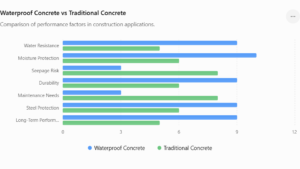
The choice depends on project requirements, environmental conditions, and desired durability outcomes.
Factors That Influence Waterproof Concrete Performance
The effectiveness of waterproof concrete depends on several important factors.
Quality of Raw Materials
Using high-quality cement, aggregates, and admixtures contributes to better performance and consistency.
Proper Mix Design
A carefully designed concrete mix helps achieve the desired strength and water resistance.
Skilled Placement
Correct placement techniques help prevent segregation and ensure uniform distribution of materials.
Adequate Compaction
Compaction removes trapped air and reduces void formation within the concrete.
Effective Curing
Proper curing is essential for strength development and long-term durability.
Attention to these factors helps maximize the benefits of waterproof concrete in construction projects.
Common Myths About Waterproof Concrete
Myth 1: Waterproof Concrete Is Completely Waterproof
While waterproof concrete significantly reduces water penetration, construction quality and proper detailing remain important for overall performance.
Myth 2: It Is Only Needed for Basements
Waterproof concrete is beneficial for many applications, including roofs, water tanks, foundations, bridges, and commercial buildings.
Myth 3: It Is Only Suitable for Large Projects
Both small residential projects and large infrastructure developments can benefit from waterproof concrete.
Myth 4: It Eliminates All Maintenance
Although waterproof concrete can reduce maintenance needs, regular inspections and good construction practices are still important.
Why Modern Construction Projects Prefer Waterproof Concrete
Construction standards continue to evolve as builders and developers seek materials that provide long-term value and durability.
Waterproof concrete supports these objectives by offering:
- Improved structural protection
- Reduced water-related damage
- Better durability
- Lower maintenance requirements
- Enhanced building performance
- Increased resistance to environmental exposure
As a result, waterproof concrete is increasingly being used in residential, commercial, industrial, and infrastructure developments.
Choosing the Right Waterproof Concrete Supplier
The quality of concrete plays a major role in project success. When selecting a supplier, consider factors such as:
- Consistent product quality
- Advanced manufacturing processes
- Reliable delivery schedules
- Industry experience
- Technical expertise
- Compliance with construction standards
Working with an experienced ready-mix concrete provider helps ensure that the concrete supplied meets project requirements and performance expectations.
Conclusion
Waterproof concrete has become an important solution for modern construction projects that require enhanced durability, moisture protection, and long-term performance. By reducing water penetration and helping prevent common issues such as seepage, dampness, and reinforcement corrosion, it supports stronger and more reliable structures.
From residential homes and commercial complexes to industrial facilities and infrastructure projects, waterproof concrete offers practical advantages that contribute to better construction outcomes. When combined with proper design, placement, and curing practices, it helps create structures that remain durable and resilient for years to come.
As construction demands continue to grow, SolidMix RMC continues to provide high-quality waterproof concrete solutions that help enhance moisture protection, reduce seepage risks, and support long-lasting structural performance across various construction projects.
1. What is waterproof concrete?
Waterproof concrete is a specially designed concrete mix that reduces water penetration and moisture absorption, helping improve the durability and lifespan of structures.
2. Where is waterproof concrete commonly used?
Waterproof concrete is commonly used in basements, foundations, water tanks, retaining walls, roof slabs, underground structures, and commercial buildings where moisture protection is important.
3. What are the benefits of waterproof concrete in Raipur?
Waterproof concrete in Raipur helps reduce seepage issues, improves structural durability, protects reinforcement steel from corrosion, and lowers long-term maintenance requirements.
4. Is waterproof concrete better than traditional concrete?
Waterproof concrete offers enhanced water resistance and moisture protection compared to traditional concrete, making it a suitable option for projects exposed to water and humidity.
5. Does waterproof concrete increase the lifespan of a building?
Waterproof concrete helps protect structures from water-related damage, which supports better long-term performance and contributes to improved building durability.