
Introduction
The construction industry is rapidly evolving with new technologies, materials, and smarter building practices shaping the future. From sustainable infrastructure to faster project execution, every aspect of construction is becoming more advanced and efficient. In this transformation, even small materials like binding wire play a crucial role in ensuring strength, stability, and durability in structures.
Whether you are a contractor, builder, or developer, staying updated with modern trends is essential to remain competitive. In this blog, we will explore the latest construction trends for 2026 and understand how binding wire continues to be an important component in reinforcing concrete structures.
What is Binding Wire and Why is it Important?
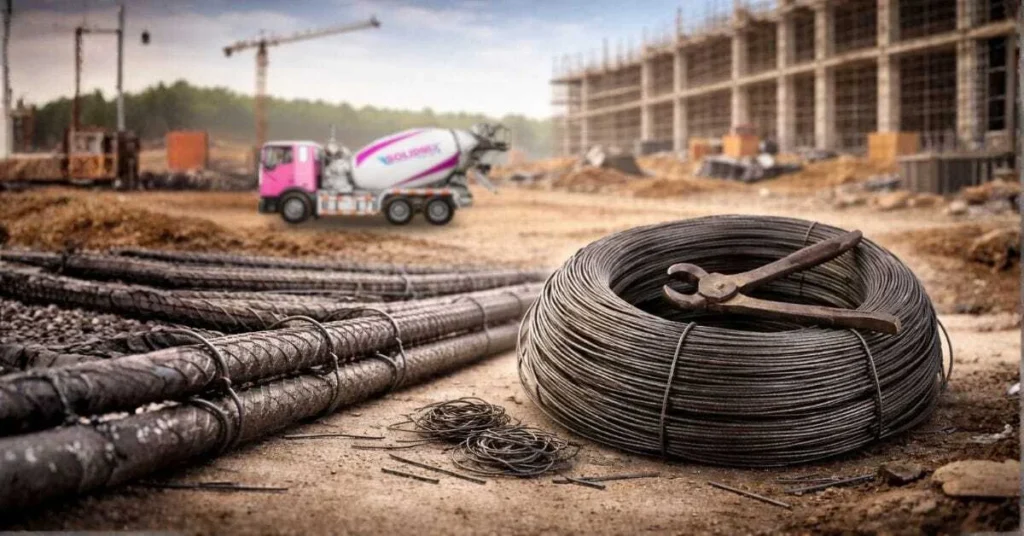
Binding wire is a thin, flexible steel wire used to tie reinforcement bars (rebars) together before concrete is poured. It ensures that the steel framework remains in position, maintaining structural integrity during construction.
This simple yet essential material helps improve the strength of buildings, bridges, and other infrastructure projects by holding the reinforcement securely in place.
1. Sustainability is Now a Standard
Sustainable construction is no longer optional—it is a necessity. Builders are focusing on eco-friendly materials and reducing waste on-site.
Using mild steel binding wire helps support sustainability goals because it is durable, recyclable, and minimizes material wastage. This makes it a preferred choice for green construction projects.
2. Smart Construction Needs Reliable Materials
Modern construction is becoming smarter with the use of automation, AI, and digital tools. Materials used in construction must deliver consistent performance.
High-quality steel binding wire ensures that reinforcement structures remain stable and aligned, supporting precision-based construction methods. Reliable materials like these are essential for modern smart buildings.
3. Urbanization and Fast-Track Construction
With rapid urban growth, the demand for faster construction is increasing. Builders need materials that save time and improve efficiency.
Using ms binding wire (mild steel binding wire) helps speed up the tying process of rebars, reducing labor time and improving overall project timelines.
4. Labor Shortage and Easy-to-Use Materials
The construction industry is facing a shortage of skilled labor. As a result, easy-to-use materials are becoming more important.
Spiral binding wire is designed for quick handling and efficient tying, making it easier for workers to complete tasks with less effort and time.
5. Customization in Construction Materials
Modern projects require customized solutions based on structural needs. Different types of binding wires are available depending on thickness and strength.
The binding wire gauge determines the thickness of the wire and its strength. Choosing the right gauge ensures better performance and safety in construction projects.
6. Rising Material Costs and Cost Optimization
Construction costs are rising, making it important to use materials efficiently.
Understanding the binding wire cost and selecting the right quality helps builders manage budgets without compromising on safety. Efficient usage reduces wastage and improves cost control.
7. Growing Demand for Quality and Branded Materials
Builders are now focusing more on quality and branded construction materials for better reliability.
Products like Tata binding wire 30 kg price are often searched by buyers looking for trusted and durable options. Branded materials ensure consistent quality and long-term performance.
Understanding Binding Wire Pricing
The cost of binding wire varies depending on quality, thickness, and brand.
The binding wire price per kg is an important factor for contractors when estimating project costs. Bulk purchasing often helps in reducing overall expenses.
Types of Binding Wire Used in Construction
Mild Steel Binding Wire
This is the most commonly used wire due to its flexibility and strength.
Galvanized Binding Wire
Coated with zinc, it offers resistance to rust and corrosion.
Annealed Binding Wire
Soft and easy to tie, ideal for reinforcement work.
Spiral Binding Wire
Pre-cut and shaped for quick and efficient usage.
Benefits of Using Binding Wire in Construction
Strong Reinforcement Support
Keeps rebars firmly in place during concrete pouring.
Easy Handling
Flexible and simple to use on-site.
Cost-Effective
Affordable and widely available material.
Versatile Usage
Suitable for residential, commercial, and infrastructure projects.
Applications of Binding Wire
Residential Construction
Used in foundations, columns, and slabs.
Commercial Projects
Ensures strong reinforcement in large buildings.
Infrastructure Development
Essential for bridges, highways, and industrial structures.
Future of Binding Wire in Construction
As construction technology advances, the demand for reliable and high-quality materials will continue to grow. Binding wire will remain a fundamental part of reinforcement work, supporting modern construction practices.
With increasing focus on sustainability, efficiency, and durability, manufacturers are also improving the quality and performance of binding wire products.
Conclusion
The role of binding wire in construction may seem small, but its impact on structural strength and stability is significant. As the industry moves toward smarter and faster construction methods, materials like binding wire continue to support the foundation of every project.
From cost efficiency to ease of use, binding wire remains an essential component in modern construction. By choosing the right type, gauge, and quality, builders can ensure strong and durable structures for the future.
FAQs
1. What is binding wire used for?
Binding wire is used to tie reinforcement bars together before concrete is poured.
2. What is the standard binding wire gauge?
Common gauges range from 18 to 22, depending on construction needs.
3. What is the average binding wire price per kg?
The price varies based on quality and market rates but is usually affordable for bulk use.
4. Which type of binding wire is best?
Mild steel binding wire is widely used due to its flexibility and strength.
5. Is binding wire reusable?
In most cases, it is not reused as it may lose strength after use.