Eco Friendly Concrete in Saddu Raipur
Eco Friendly Concrete
Definition
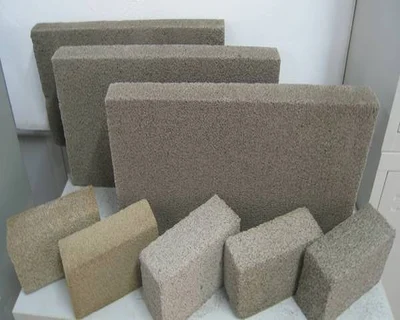
Eco Friendly Concrete is a sustainable construction material designed to reduce environmental impact while maintaining strength and durability. It is produced using recycled materials, industrial by-products such as fly ash or slag, and low-carbon cement alternatives. This helps lower carbon emissions compared to traditional concrete mixes.
It is an excellent choice for modern construction projects that focus on sustainability, energy efficiency, and long-term performance. Eco Friendly Concrete offers the same structural reliability as conventional concrete while supporting greener building practices and responsible resource use.
Applications
- Residential and commercial buildings
- Green-certified construction projects
- Roads and pavements
- Industrial developments
- Public infrastructure projects
- Sustainable housing communities
Precautions
- Use the correct mix design for structural requirements.
- Ensure materials are sourced from trusted suppliers.
- Proper curing is necessary for full strength development.
- Follow engineering guidelines for load-bearing applications.
Additional Benefits
- Reduces carbon footprint
- Uses recycled and sustainable materials
- Strong and durable performance
- Supports green building certifications

Frequently asked question
Our FAQ section answers the most common questions about our ready mix concrete services, delivery process, pricing, order quantities, quality standards, and project support. Whether you need concrete for residential, commercial, or large construction work, you’ll find clear and useful information here. We aim to make the ordering process simple, reliable, and transparent so you can plan your project with confidence and receive high-quality concrete on time.
1. What is eco-friendly concrete and how is it different from regular concrete?
Eco-friendly concrete, also known as green concrete, is made using sustainable materials such as recycled aggregates, industrial by-products like fly ash or slag, and reduced cement content. Unlike traditional concrete, it produces lower carbon emissions and helps conserve natural resources while maintaining similar strength and durability.
2. Is eco-friendly concrete as strong as traditional concrete?
Yes, eco-friendly concrete can be just as strong as traditional concrete when designed properly. In many cases, the use of materials like fly ash and slag can even improve long-term strength, durability, and resistance to cracking, making it suitable for residential, commercial, and infrastructure projects.
3. What materials are used in eco-friendly concrete?
Eco-friendly concrete typically uses recycled materials such as crushed concrete, industrial by-products like fly ash, ground granulated blast furnace slag (GGBS), silica fume, and sometimes alternative binders. These materials reduce the need for cement, which is the main source of carbon emissions in concrete production.
4. Why is eco-friendly concrete important for sustainable construction?
Eco-friendly concrete plays a crucial role in sustainable construction because it reduces carbon footprint, minimizes waste, and conserves natural resources like sand and gravel. It also supports green building certifications and helps developers meet environmental regulations and sustainability goals.
5. Is eco-friendly concrete more expensive than normal concrete?
Eco-friendly concrete is not always more expensive. In many cases, it can be cost-effective due to the use of recycled materials and reduced cement content. Additionally, its long-term durability and lower maintenance costs can make it a more economical choice over time.