
Lightweight Concrete in Sejbahar, Raipur
Lightweight Concrete
Definition
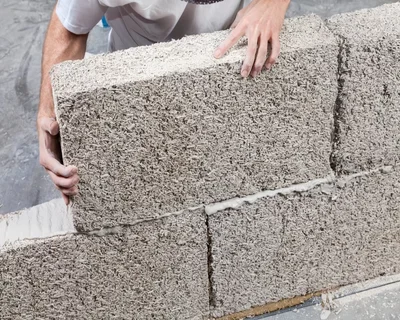
Lightweight Concrete is a specially designed concrete mix made using lightweight aggregates that reduce the overall weight of the structure without sacrificing essential strength and durability. Compared to traditional concrete, it places less load on foundations and supporting elements, making it a practical choice for modern construction.
It is widely used where weight reduction, thermal insulation, and easier handling are important. Lightweight Concrete can improve seismic performance, lower transportation costs, and make construction faster and more efficient.
Applications
- High-rise buildings
- Rooftops and terraces
- Floor screeds and partitions
- Precast concrete panels
- Renovation projects
- Residential and commercial buildings
Precautions
- Use the correct mix design for structural requirements.
- Proper curing is needed to achieve best performance.
- Ensure skilled placement and finishing.
- Avoid overloading beyond design limits.
Additional Benefits
- Reduces dead load on structures
- Better thermal and sound insulation
- Easier transportation and handling
- Can lower foundation costs

Frequently asked question
Our FAQ section answers the most common questions about our ready mix concrete services, delivery process, pricing, order quantities, quality standards, and project support. Whether you need concrete for residential, commercial, or large construction work, you’ll find clear and useful information here. We aim to make the ordering process simple, reliable, and transparent so you can plan your project with confidence and receive high-quality concrete on time.
1. What is lightweight concrete?
Lightweight concrete is a type of concrete made using lightweight aggregates like expanded clay, pumice, or foam, which reduces its overall weight compared to traditional concrete. It is commonly used in construction to decrease structural load and improve thermal insulation.
2. What are the benefits of lightweight concrete?
Lightweight concrete offers several benefits, including reduced dead load, better thermal and sound insulation, improved fire resistance, and easier handling during construction. It also helps in faster construction and cost savings in structural design.
3. Where is lightweight concrete used?
Lightweight concrete is widely used in roof slabs, precast blocks, wall panels, bridges, and high-rise buildings. It is especially useful in projects where reducing structural weight is important.
4. Is lightweight concrete as strong as normal concrete?
Lightweight concrete can achieve sufficient strength for many structural applications, but it is generally less dense and slightly lower in strength than conventional concrete. However, advanced mixes can provide high strength suitable for structural use.
5. What materials are used in lightweight concrete?
Lightweight concrete is made using materials such as expanded clay, shale, pumice, perlite, vermiculite, or foam. These materials help reduce density while maintaining durability and performance.