Waterproof Concrete
Waterproof Concrete – Advanced Protection for Moisture-Resistant Structures
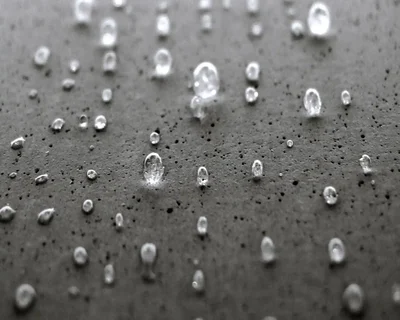
Waterproof Concrete is a modern high-performance concrete specially developed to prevent water penetration, leakage, and moisture-related damage in structures exposed to wet or humid conditions. Unlike old traditional concrete, which contained higher porosity and allowed water seepage over time, modern waterproof concrete is engineered using dense mix designs, advanced waterproofing admixtures, and low-permeability materials that significantly improve water resistance and structural durability.
Earlier conventional concrete structures often faced issues such as water leakage, dampness, surface deterioration, and corrosion of steel reinforcement due to moisture penetration. Old concrete required additional external waterproofing layers or repair treatments to control seepage problems. Modern Waterproof Concrete overcomes these limitations by integrating water-resistant technology directly into the concrete mix itself.
Modern Waterproof Concrete is widely used in projects where water protection and durability are critical, including:
- Basements and foundations
- Water tanks and reservoirs
- Swimming pools
- Bathrooms and wet areas
- Roof slabs and terraces
- Underground structures
- Bridges and tunnels
- Retaining walls
- Marine and coastal structures
One of the biggest improvements in modern waterproof concrete compared to old conventional concrete is its ability to protect steel reinforcement from corrosion. Moisture penetration in traditional concrete often caused rusting of reinforcement bars, leading to cracks and reduced structural life. Modern waterproof concrete helps extend the lifespan of structures by minimizing water-related deterioration.
In addition to water resistance, modern waterproof concrete also improves overall strength, durability, and maintenance performance. It reduces the need for external waterproof coatings and frequent repair work, making it a cost-effective and long-lasting construction solution.
Key Features of Modern Waterproof Concrete
- Excellent resistance to water penetration
- Reduced leakage and seepage
- Low permeability and dense structure
- Protection against reinforcement corrosion
- Improved durability in wet conditions
- Reduced maintenance requirements
- Long-lasting structural performance
- Suitable for underground and water-retaining structures
Today, Waterproof Concrete is considered an essential construction material for modern infrastructure and moisture-prone projects. Compared to old traditional concrete, modern waterproof concrete provides significantly better water resistance, durability, and long-term structural protection, making it a reliable solution for modern residential, commercial, and industrial construction.
Applications of Modern Waterproof Concrete
Waterproof Concrete is widely used in residential, commercial, industrial, and infrastructure projects where protection against water penetration and moisture damage is essential. Unlike old traditional concrete that often developed seepage, dampness, and leakage over time, modern waterproof concrete is specially engineered to provide long-lasting water resistance and structural durability.
Basements and Foundations
Modern waterproof concrete is commonly used in basements and foundation structures to prevent groundwater seepage and moisture penetration. It helps maintain structural stability and protects underground areas from dampness and water damage.
Water Tanks and Reservoirs
Waterproof concrete is ideal for constructing water storage tanks, reservoirs, and treatment structures because it minimizes leakage and helps maintain water-tight performance for long periods.
Swimming Pools
Swimming pools require strong and moisture-resistant concrete surfaces capable of handling continuous water exposure. Modern waterproof concrete helps reduce cracks, seepage, and long-term maintenance issues in pool structures.
Retaining Walls
Retaining walls exposed to soil moisture and groundwater benefit from waterproof concrete technology. It improves durability and protects the structure from water-related deterioration and reinforcement corrosion.
Roof Slabs and Terraces
Roof slabs and terrace areas are continuously exposed to rainwater, humidity, and changing weather conditions. Waterproof concrete helps prevent roof leakage, surface dampness, and water seepage into the building structure.
Underground Structures
Modern waterproof concrete is extensively used in underground construction such as tunnels, parking basements, lift pits, underground chambers, and utility structures where water resistance is critical for safety and durability.
Marine and Coastal Structures
Structures located near water bodies or coastal regions use waterproof concrete for improved resistance against moisture, water penetration, and environmental damage.
Bridges and Infrastructure Projects
Modern infrastructure projects such as bridges, drainage systems, and culverts use waterproof concrete to improve durability and reduce long-term maintenance costs caused by water exposure.
Compared to old conventional concrete applications, modern waterproof concrete provides significantly better protection against leakage, moisture damage, and reinforcement corrosion, making it an essential material for modern water-resistant and underground construction projects.
Precautions for Modern Waterproof Concrete
Proper installation practices and quality control are essential to achieve the full performance of Waterproof Concrete. While old traditional concrete mainly depended on external waterproofing treatments after construction, modern waterproof concrete is engineered to provide built-in water resistance. However, careful handling, curing, and workmanship are still necessary to ensure long-term durability and leakage protection.
Proper Curing is Essential
Correct curing is one of the most important factors in waterproof concrete performance. Adequate curing helps the concrete achieve proper strength, density, and low permeability. Insufficient curing may lead to surface cracks, shrinkage, and reduced water resistance.
Proper Sealing of Construction Joints
Construction joints, expansion joints, and connection points should be sealed properly to prevent water seepage. Even with advanced waterproof concrete, poorly treated joints can become leakage points over time.
Selection of Suitable Mix Grade
Different projects require different waterproof concrete grades depending on water exposure, environmental conditions, and structural requirements. Choosing the correct mix design and waterproofing admixture is important for achieving effective moisture protection and durability.
Prevent Cracks During Construction
Cracks caused by poor workmanship, improper compaction, rapid drying, or early structural loading can reduce waterproofing performance. Proper placement, vibration, and controlled curing procedures should always be followed to minimize crack formation.
Quality Material Usage
Modern waterproof concrete should be prepared using high-quality cement, aggregates, waterproofing admixtures, and controlled water-cement ratios to achieve maximum resistance against water penetration.
Avoid Early Water Exposure
Freshly placed waterproof concrete should be protected from excessive water exposure or heavy usage during the early curing stage to ensure proper setting and long-term performance.
Regular Inspection and Maintenance
Although waterproof concrete offers enhanced protection, periodic inspection of joints, surface conditions, and drainage systems helps maintain structural durability and prevents future seepage issues.
Compared to old conventional concrete practices, modern waterproof concrete applications require more controlled workmanship, proper curing, and quality material selection to achieve effective long-term water resistance. With proper precautions and installation methods, waterproof concrete provides excellent durability, moisture protection, and structural reliability for residential, commercial, and infrastructure projects.
Additional Benefits of Modern Waterproof Concrete
Modern Waterproof Concrete provides several advanced advantages compared to old traditional concrete used in moisture-prone structures. It is specially engineered to improve water resistance, structural durability, and long-term performance in residential, commercial, and infrastructure projects.
Prevents Leakage and Dampness
Unlike old conventional concrete that often developed seepage and moisture problems over time, modern waterproof concrete significantly reduces water penetration, leakage, and dampness within the structure. Its dense composition and waterproofing admixtures help create a more secure and moisture-resistant construction system.
Protects Reinforcement from Corrosion
One of the major benefits of waterproof concrete is the protection it provides to steel reinforcement bars. In old concrete structures, water penetration often caused reinforcement rusting, which weakened the structure and reduced durability. Modern waterproof concrete minimizes moisture entry and helps protect reinforcement from corrosion and long-term damage.
Increases Structural Lifespan
Modern waterproof concrete improves the overall lifespan of buildings and infrastructure by reducing water-related deterioration, surface damage, cracking, and internal weakening. Structures remain stronger and more durable even in wet or humid environmental conditions.
Reduces Maintenance and Repair Costs
Compared to old traditional concrete systems that frequently required waterproofing repairs and leakage treatments, modern waterproof concrete lowers long-term maintenance expenses by providing built-in water resistance and improved structural protection.
Improved Durability in Wet Conditions
Waterproof concrete performs effectively in basements, water tanks, underground structures, swimming pools, retaining walls, and roof slabs where continuous moisture exposure is common. It maintains strength and stability even in challenging environments.
Better Surface Protection
Modern waterproof concrete helps reduce surface damage caused by water absorption, chemical exposure, and environmental conditions, improving both appearance and structural integrity.
Cost-Effective Long-Term Solution
Although it uses advanced waterproofing technology, waterproof concrete provides long-term cost savings by reducing repair work, leakage issues, and maintenance requirements throughout the life of the structure.
Compared to old traditional concrete, modern Waterproof Concrete offers significantly better protection against water damage, corrosion, seepage, and structural deterioration, making it an essential solution for modern durable and moisture-resistant construction projects.

Frequently asked question
Our FAQ section answers the most common questions about our ready mix concrete services, delivery process, pricing, order quantities, quality standards, and project support. Whether you need concrete for residential, commercial, or large construction work, you’ll find clear and useful information here. We aim to make the ordering process simple, reliable, and transparent so you can plan your project with confidence and receive high-quality concrete on time.
1. What is waterproof concrete?
Waterproof concrete is a type of concrete designed to resist water penetration. It is made by adding special waterproofing admixtures that reduce pores and prevent water from seeping through, making it ideal for basements, roofs, and water-retaining structures.
2. How is waterproof concrete different from normal concrete?
Unlike normal concrete, waterproof concrete has low permeability and prevents water leakage. It contains additives or coatings that block moisture, while regular concrete can absorb water over time and may develop cracks or seepage issues.
3. Where is waterproof concrete commonly used?
Waterproof concrete is widely used in basements, roofs, water tanks, swimming pools, bridges, tunnels, and foundations—anywhere protection from water damage or leakage is required.
4. Does waterproof concrete need additional waterproofing?
In most cases, waterproof concrete provides strong resistance to water. However, for areas exposed to constant water pressure (like underground structures), additional waterproofing membranes or coatings may be recommended for extra protection.
5. Is waterproof concrete more expensive than regular concrete?
Yes, waterproof concrete is slightly more expensive than regular concrete due to the use of special admixtures and materials. However, it reduces long-term maintenance and repair costs, making it a cost-effective solution over time.